Last updated on 10/10/2026 by Billy
Blue Tropicana: a profile of names and claims
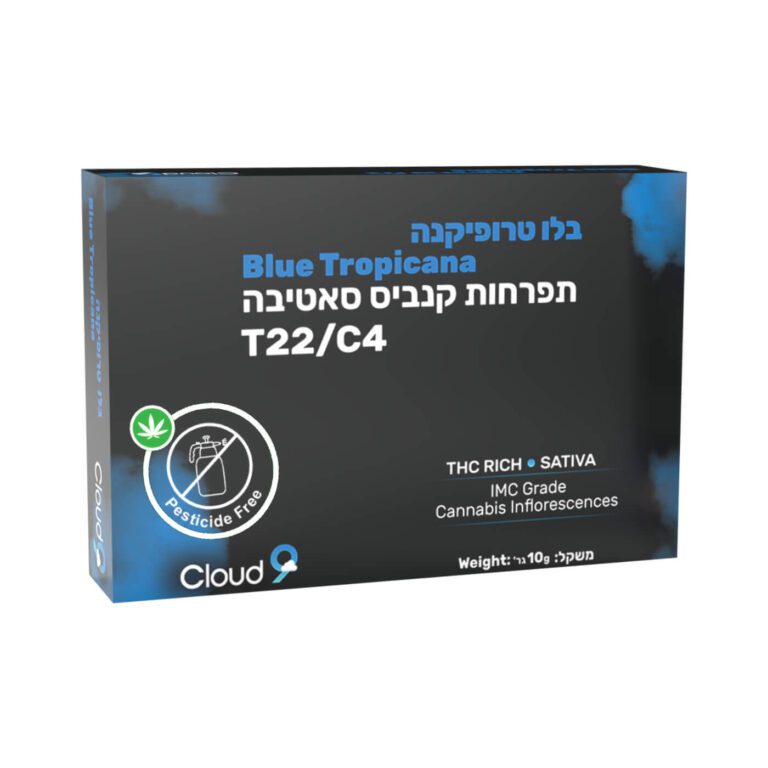
Blue Tropicana is presented on this site as a cannabis cultivar with a sativa T22/C4 label. This profile records that identity while distinguishing it from verified batch information and medical evidence. It does not supply dosing, cultivation or purchasing instructions.
What the existing description establishes
The name and category are the identifying details used in the article. The previous version also listed a parentage, exact cannabinoid percentages and a terpene profile. It did not identify a breeder source or a batch report for those additional claims.
Those details should not be presented as independently verified facts. A source about the named cultivar would still need to be distinguished from a test of a particular batch.
Blue Tropicana and category labels
| Detail | Evidence status in this article |
|---|---|
| Blue Tropicana | The cultivar name discussed here. |
| Sativa T22/C4 | The category label used by the existing article. |
| Exact percentages | No identified batch certificate supplied by this page. |
| Medical outcomes | No cultivar-specific clinical trial supplied by this page. |
A 2021 Nature Plants study on cannabis labels found that common sativa/indica labels did not reliably summarize overall genetic and chemical differences in the samples studied. A label should not be turned into a guarantee of energy, calm or any medical outcome.
Medical claims need medical evidence
The earlier text claimed benefits for depression, fatigue and migraines. It also described the cultivar as an alternative to Ritalin. This page did not provide clinical evidence supporting those statements, and they should not be treated as treatment advice.
The NCCIH evidence overview discusses cannabinoids by condition and explains limitations in the research. It does not validate every named cultivar. Readers should not stop or replace an existing medicine on the basis of a strain profile.
Comparing descriptions without making recommendations
The names Solo #47 Mini and French Cookies appear elsewhere on the site. The Solo #47 Mini profile and French Cookies background article offer further examples of how a named profile is presented. The links identify related reading, not alternatives for treating a condition.
A comparison table becomes misleading if it presents unverified percentages or predictable effects as measured facts. This revision instead states what information the article can support and where evidence is missing.
How to read this profile
- Separate the cultivar name from a batch-specific result.
- Look for an identified source behind a lineage or aroma claim.
- Distinguish a category label from clinical evidence.
- Treat unsupported assurances as claims, not established findings.
Blue Tropicana remains the subject of this article. Its name alone does not establish an effective treatment, a predictable response or the contents of every product carrying that name. This profile is informational and does not rank products for use.