Last updated on 10/10/2026 by
Khat extract: plant identity and evidence limits
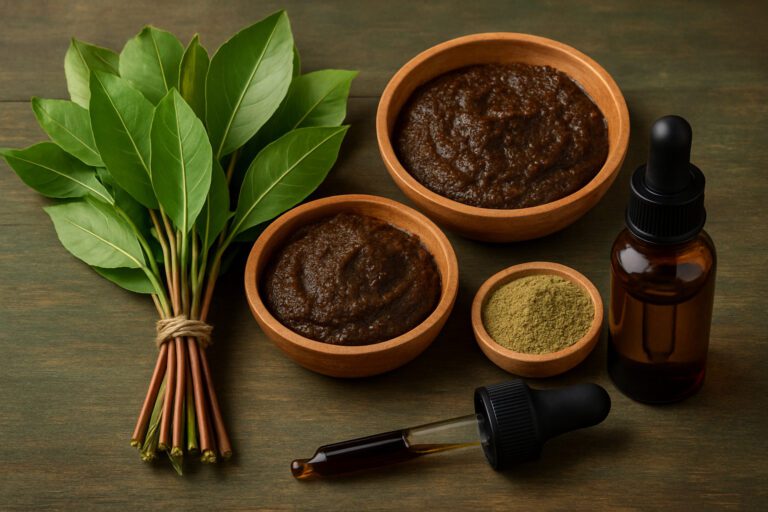
Khat extract is a term used for products derived from Catha edulis. It is different from a standardized statement about ingredients or safety. This overview explains the plant's background and the limits of claims made about concentrated products.
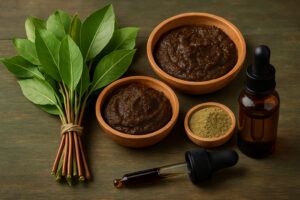
What is khat?
The European Union Drugs Agency profile of khat describes the leaves and fresh shoots of Catha edulis and its presence in East Africa and the southwestern Arabian Peninsula. It identifies cathinone and cathine as principal active compounds.
The botanical name identifies the plant. It does not tell a reader the composition of an unnamed extract. A product description needs to distinguish the plant, its compounds and the particular preparation being discussed.
Cultural background
Khat has a history of social use in communities in East Africa and Yemen. That history is part of the subject's cultural context. It does not establish that a concentrated extract offers a medical benefit.
The earlier article described the product as a coffee substitute and a tool for creative work. Those statements were recommendations rather than documented evidence. A cultural account and a health claim should be kept separate.
Stimulant compounds and health claims
The EUDA profile describes the stimulant properties of cathinone. A review in the WHO Eastern Mediterranean Health Journal discusses khat-related dependence and mental and physical health concerns. Neither source establishes that an unspecified extract is a treatment for poor concentration or low mood.
Descriptions such as "natural" and "mindful" do not answer a safety question. They also do not identify the composition of a concentrated preparation. This article therefore does not recommend a schedule, dose or method of preparation.
Why product claims need context
To assess an article, first ask whether it identifies the plant material or preparation it describes. Then check whether the cited research actually studied that preparation. A reference about traditional leaf use cannot automatically establish a claim about an unnamed extract.
That evidence distinction also appears in the article on cannabis-oil claims and their limitations. The plants are different; the shared point is the need to identify what a claim is based on.
Legal status is a separate question
EUDA distinguishes the international controls on cathinone and cathine from the status of the plant. National controls vary. This overview is not a current legal determination for Israel or any other jurisdiction.
A link to a seller or an online listing would not establish a product's legal status. The article therefore includes no ordering route or advice about obtaining an extract.
What this overview covers
Khat extract should be discussed with clear distinctions between plant identity, cultural context and health evidence. The sources above provide that context. They do not justify promises of calm, enhanced performance or a predictable effect from every product sold under the name.